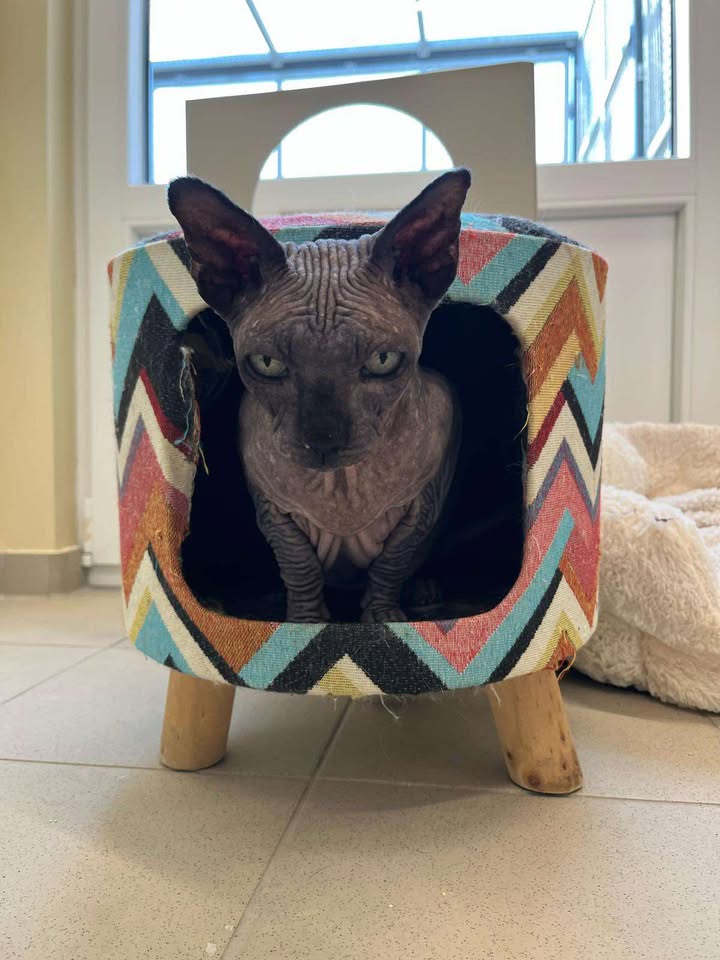
Since 1 January 2026, the Netherlands has tightened its animal welfare legislation.
The keeping, breeding and sale of certain breeds of cats, including Sphynx and Scottish Fold cats, is now prohibited.
Why are these breeds affected?
The Dutch authorities believe that certain extreme morphological characteristics can harm the health and welfare of animals.
Sphynx cats, which have no functional coat, are more vulnerable to the cold, temperature variations, skin conditions and certain chronic diseases.
The Scottish Fold, recognisable by its folded ears, carries a genetic mutation associated with painful bone and joint disorders, sometimes from an early age.
According to the Dutch government, the selection and breeding of these characteristics causes avoidable suffering and does not respect the fundamental needs of animals.
A gradual ban, without penalising current owners
The legislation provides for a transitional period.
Cats born before the law comes into force may remain with their owners, provided they are identified by microchip.
However, they may not be sold or bred.
And in Belgium?
To date, Belgium does not specifically prohibit the ownership or breeding of Sphynx and Scottish Fold cats.
Belgian animal welfare legislation is based on general principles that prohibit unnecessary suffering and require breeders and owners to ensure the health and welfare of animals, without targeting specific breeds.
However, the debate surrounding so-called hyper-typed animals — selected for extreme physical traits — is growing.
But beyond the law, this development reminds us of the importance of choosing an animal with full knowledge of the facts, taking into account its needs, health and long-term quality of life.
Animal welfare should never be a matter of fashion.